The Everyday Inflammation You Can’t See (and How to Fix It From the Inside Out)
You know that feeling when you’re just off?
Your joints ache. You wake up puffy. Your mood is dull, digestion sluggish, your brain foggy. Maybe your blood tests hint at hs-CRP creeping up, high ferritin levels or triglycerides that won’t budge, even though you’re eating “clean.”
That’s the subtle world of low-grade inflammation. It’s not the dramatic swelling after an injury; it’s a quiet internal signal that your immune system is smouldering rather than resting. Left unchecked, this slow burn is now known to underlie conditions as diverse as metabolic disease, mood disorders, fertility struggles, and cognitive decline.
Where the fire starts
Modern diets are loaded with omega-6 fats—from seed oils and processed foods to high sugar intake and refined baked goods —while our intake of omega-3s has plunged. This imbalance skews the body toward producing pro-inflammatory eicosanoids (chemical messengers that tell cells to stay angry).
Omega-3s—specifically EPA (eicosapentaenoic acid) and DHA (docosahexaenoic acid)—act as nature’s counterbalance. Once they’re built into your cell membranes, they become the raw material for resolvins and protectins: molecules that tell inflammation, “You can stand down now.”
What the science says
A 2023 umbrella meta-analysis of 47 clinical trials found that omega-3 supplementation consistently lowered inflammatory markers like CRP and IL-6, particularly in people with metabolic risk factors (Bernasconi et al., J Am Heart Assoc 2023).
Another 2024 review highlighted that EPA and DHA down-regulate NF-κB activation, the master switch of chronic inflammation (Grosso et al., Prog Lipid Res 2024).
And when participants replaced even part of their dietary fats with marine oils, several studies showed improved endothelial function and fewer inflammatory lipids in circulation (Wu et al., J Clin Lipidol 2022).
Translation? Your body literally becomes less inflamed at rest.
What you might notice
- Clients often report that after 8–12 weeks of therapeutic omega-3s:
- Morning stiffness eases and recovery time shortens
- Skin becomes calmer and less reactive
- Brain fog lifts; focus sharpens
- Triglycerides drop alongside CRP
Those are not overnight miracles—they’re the biology of resolution quietly taking place.
How to use it wisely
Dose: Most anti-inflammatory trials use 1 000–3 000 mg combined EPA + DHA per day, ideally with meals.
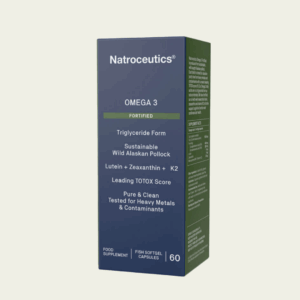
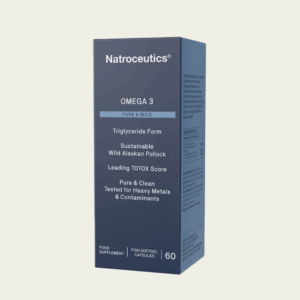
Form: Look for triglyceride or re-esterified TG forms—better absorbed than ethyl esters.
The DietIQ perspective
At DietIQ, we look at inflammation not as an enemy, but as a message. If your genes (for example, IL-1 A/B or TNF variants) push you toward higher cytokine activity, or if your lifestyle adds oxidative stress, omega-3s become more than a “heart supplement”—they’re gene-level modulation.
Clean sourcing matters too: cold-water fish oil, third-party tested for purity, and free from artificial sweeteners or unnecessary additives.