
Curcumin: The Golden Compound with Powerful Health Benefits
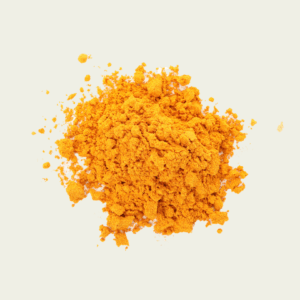
Curcumin, the active compound found in turmeric, has been used in traditional medicine for centuries. In recent years, it has gained significant attention in clinical nutrition and functional health circles for its wide-ranging therapeutic potential. But what exactly is curcumin, and why should it be considered as part of your supplement regimen?
What is Curcumin?
Curcumin is a bright yellow polyphenol derived from the rhizome of the Curcuma longa plant — more commonly known as turmeric. While turmeric is often used as a culinary spice, curcumin is the compound believed to be responsible for most of its medicinal properties.
However, the curcumin content in turmeric is relatively low (typically around 3%). This is why standardised curcumin supplements — often combined with absorption-enhancing agents like piperine (from black pepper) — are preferred for therapeutic use.
Evidence-Based Benefits of Curcumin
Anti-Inflammatory and Antioxidant Support
Chronic inflammation is believed to play a role in numerous health conditions, including heart disease, arthritis, metabolic syndrome, and neurodegenerative diseases. Curcumin is known for its powerful anti-inflammatory effects — in some studies, showing results comparable to conventional anti-inflammatory drugs, but without the side effects.
As an antioxidant, curcumin helps neutralise free radicals and stimulates the body’s own antioxidant enzymes, helping to protect cells from damage.
Joint Health and Mobility
Curcumin has been studied extensively for its role in reducing joint pain and stiffness, particularly in individuals with osteoarthritis or rheumatoid arthritis. Clinical trials have shown promising results in improving mobility and reducing the need for pain medication.
Cognitive Health and Mood
Emerging research suggests curcumin may support brain health by enhancing levels of brain-derived neurotrophic factor (BDNF), a key molecule involved in memory and learning. There is also some evidence that it may have antidepressant-like effects, likely due to its ability to reduce inflammation and oxidative stress in the brain.
Cardiovascular Benefits
Curcumin may improve endothelial function — the health of the thin membrane that lines the heart and blood vessels — which is essential for cardiovascular wellness. It may also contribute to healthy cholesterol levels and help reduce oxidative damage to blood vessels.
Who Might Benefit from Curcumin Supplementation?
While curcumin can be a useful addition to most wellness routines, it may be particularly beneficial for individuals dealing with:
- Chronic inflammation or joint discomfort
- Digestive issues linked to inflammation
- Cognitive concerns or low mood
- Cardiovascular risk factors
- Recovery from intense physical activity
Always consult with a registered dietitian or healthcare provider to determine if curcumin is appropriate for your individual health needs — especially if you’re taking medication, as curcumin may interact with certain drugs.
Bioavailability is a key consideration when choosing a curcumin supplement. Look for formulas that include absorption enhancers (like piperine) or those that use novel delivery systems such as liposomal curcumin or phytosome complexes.
At Diet IQ, we stock professional-grade curcumin supplements from brands like Natroceutics — selected for their clinical efficacy, purity, and absorption.
Curcumin is more than a trend — it’s a well-researched, natural compound with genuine health potential. When sourced from high-quality supplements and used as part of a broader nutrition and lifestyle strategy, it can be a powerful tool for supporting long-term wellbeing.